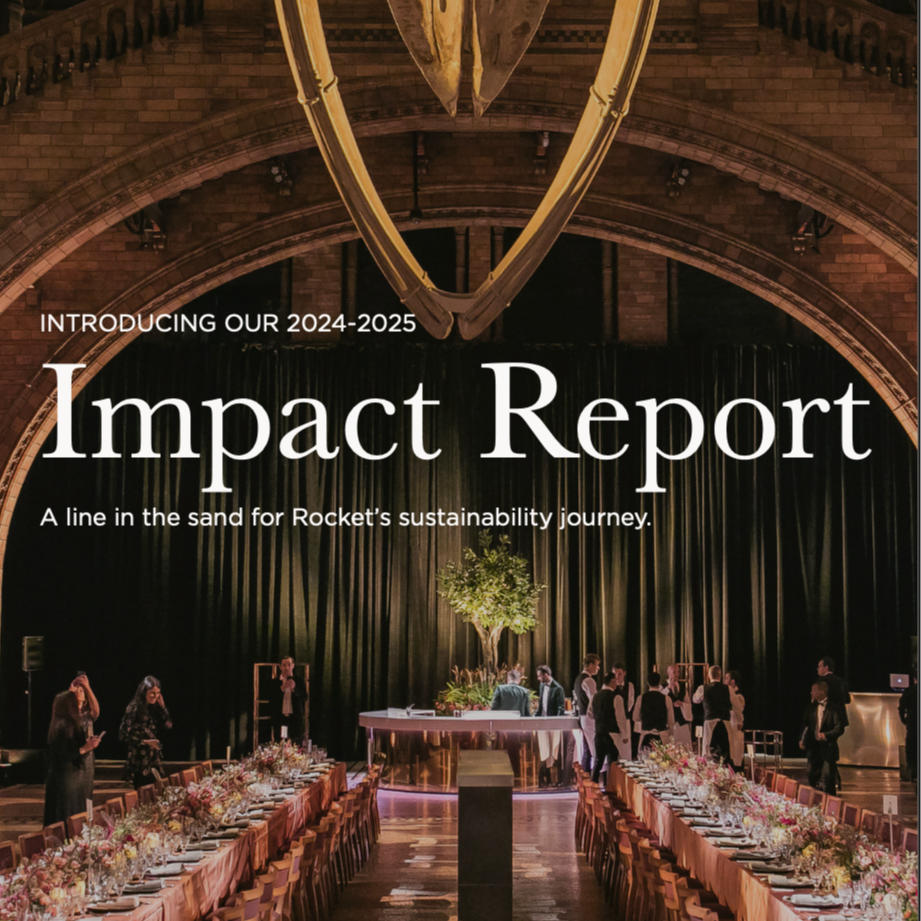
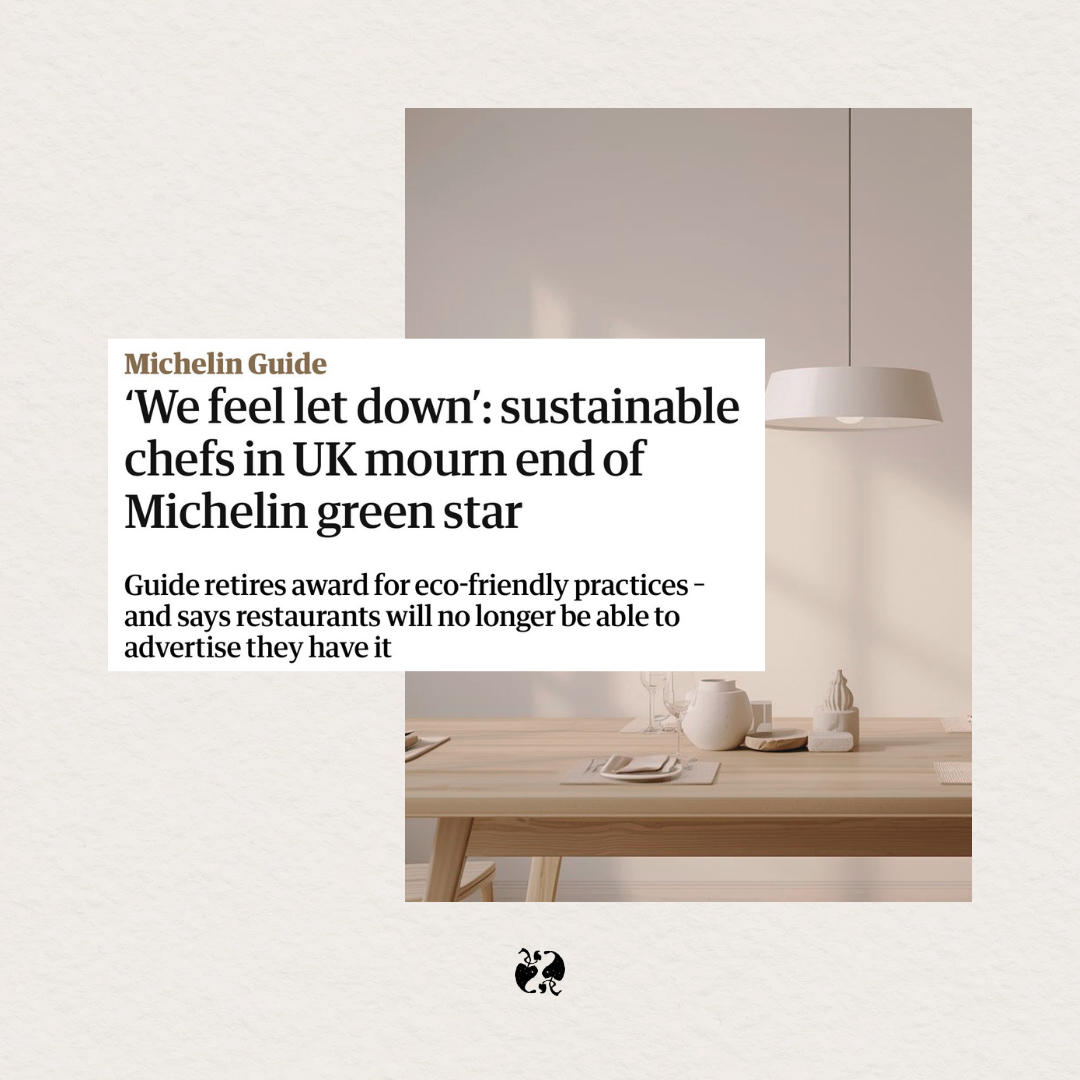
Navigating the 2026 Green Claims Landscape: The Alignment of Narrative and Proof.

The Authority Update: Evidence-Based Narrative
The language used to describe environmental impact is professionalising. Throughout the 2026 reporting cycle, there is a clear move toward a more granular, evidence-led vocabulary, driven by the CMA Green Claims Code. This transition represents the new standard for ethical marketing: a move away from the vague descriptors often associated with greenwashing towards a strategy rooted in technical accuracy and radical transparency.
The Evolution of the Green Claims Code
The primary driver of this shift is the CMA Green Claims Code. As of early 2026, the standard for environmental transparency has moved beyond direct operations.
The January 2026 Supply Chain Update: On 22 January 2026, the CMA issued new guidance clarifying that businesses are now increasingly liable for the accuracy of claims made throughout their entire value chain.
From Manufacturer to Retailer: Whether an event planner repeating a supplier’s credentials or an architect specifying a low-carbon material, the responsibility to verify that data sits with the business making the final claim. Vague reliance on industry averages is no longer a viable strategy for compliance or commercial differentiation.
B Corp V2 and the Simultaneous Reporting Mandate
The requirement for robust proof is further intensified by parallel regulatory updates, making responsible marketing a non-negotiable operational function.
B Corp V2 Standards (March 2026): As of 11 March 2026, the updated framework for certified organisations has formalised mandatory minimum requirements across seven impact topics. This shift requires specificity, making the Impact Report the vital link between ethical intention and verifiable output. High-profile challenges within the global B Corp community serve as a reminder that a brand’s public narrative must be reconciled with its operational reality.
UK Sustainability Reporting Standards (UK SRS): Finalised on 25 February 2026, the UK SRS now mandate that sustainability disclosures be published at the same time as financial statements. This requirement for simultaneous reporting demands a level of data integrity that mirrors traditional accounting. This technical data transforms the Impact Report from a marketing asset into a document of institutional trust.
Refining Terminology: Navigating New Constraints
In this rigorous environment, the vocabulary used to describe sustainability progress is being heavily redirected. Responsible marketing now requires navigating a landscape where legacy terms are being restricted by new legal frameworks.
The Sunset of Carbon Neutral: Following the EU Empowering Consumers for the Green Transition (ECGT) Directive, which fully applies from September 2026, claims that a product is carbon neutral or has a positive impact based solely on carbon offsetting are being phased out. The emerging requirement is to report absolute reductions.
The Naming Restriction Crackdown: This regulatory reach has extended into product identity. Following the EU agreement reached on 5 March 2026, 31 animal-associated terms—including steak and bacon—are now restricted. Combined with the UK Supreme Court’s 11 February 2026 ruling regarding the word milk and the Oatly ‘Post Milk Generation’ trademark, the message is clear. Ethical marketing now requires a strategy that is both legally bulletproof and creatively resilient, ensuring a brand can communicate its value without falling foul of new naming constraints.
The Shift from PR Risk to Insolvency Risk
This professionalisation of language is not merely a matter of brand reputation; it is now a matter of fiduciary duty. Under the Digital Markets, Competition and Consumers (DMCC) Act, the CMA has transitioned from a watchdog to a direct enforcement body.
The 10% Global Turnover Penalty: The CMA no longer requires a courtroom to issue penalties. They can now issue "Financial Infringement Notices" directly for greenwashing breaches. These fines are no longer token fines; they can reach up to 10% of a business's global annual turnover. When the penalty is tied to top-line revenue rather than profit, a misjudged environmental claim moves from a marketing error to a Boardroom insolvency risk. In the 2026 landscape, forensic verification is the only insurance policy against these direct enforcement powers.
The Bold Green Strategies Approach
The current regulatory environment is tightening, but the true value lies in leadership. Success in the 2026/27 cycle requires a rare hybrid of technical proof and brand narrative.
At Bold Green Strategies, we operate at this intersection. By combining the co-director approach that encompasses an ARB RIBA architect and an academic researcher, we ensure that a brand’s story is both engaging and technically defensible. We bridge the gap between complex data and resilient storytelling, translating metrics—from circular economy stats to listed building retrofits—into verified, authoritative narratives that justify a premium market position.
Speaking the language of 2026—one of precision, verified action, and authenticated proof—remains the ultimate differentiator for any purpose-driven organisation.
Read about our B Corp and Net Zero Support to learn more about our reporting methods.
Book a call; we’d love to hear from you.